|
NEW ONLINE ONLY SHIUR:
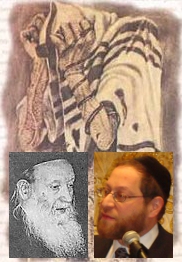
She'eilos U'Teshuvos Mi'maamakim In line with these themes, I am giving a number of short Shiurim based on the Sefer “She’eilos U’Teshuvos Mi’maamakim”. This unique and awe-inspiring Sefer was written by Rabbi Ephraim Oshry, who was a Rav and Poseik in the Kovno Ghetto in the early 1940’s. In those days of darkness, terror, and death, the Jews of the ghetto sought to adhere to the Mitzvos with exceeding care and sacrifice, knowing that they could thereby realize a spiritual victory over the Nazis. Faced often with dilemnas of life and death and other heartbreaking questions that arose from tragedy, they often turned to Rabbi Oshry for his rulings. Can a father say Kaddish for a murdered child? Can a 12-year old boy who may not survive to his Bar Mitzvah put on Tefillin? The context for the questions, the questions themselves, and the answers, give us a unique first-hand account of the horrors of the Holocaust, and open a window for us to glimpse Jews who transcended their personal pain and suffering to achieve a depth of devotion to Hashem that is difficult to fathom, but should uplift and inspire us. The volumes are difficult to purchase and very expensive, but someone who would like to see the Teshuvos inside can go to Hebrewbooks.org, where they are available. Listen to the Shiur exclusively on TifTorah at http://www.tiftorah.org/oshry. (You may also follow
instructions to subscribe to the shiur
on your iPod or iPhone through the
iTunes store by clicking on the
|
 button when it
becomes available.)
button when it
becomes available.)